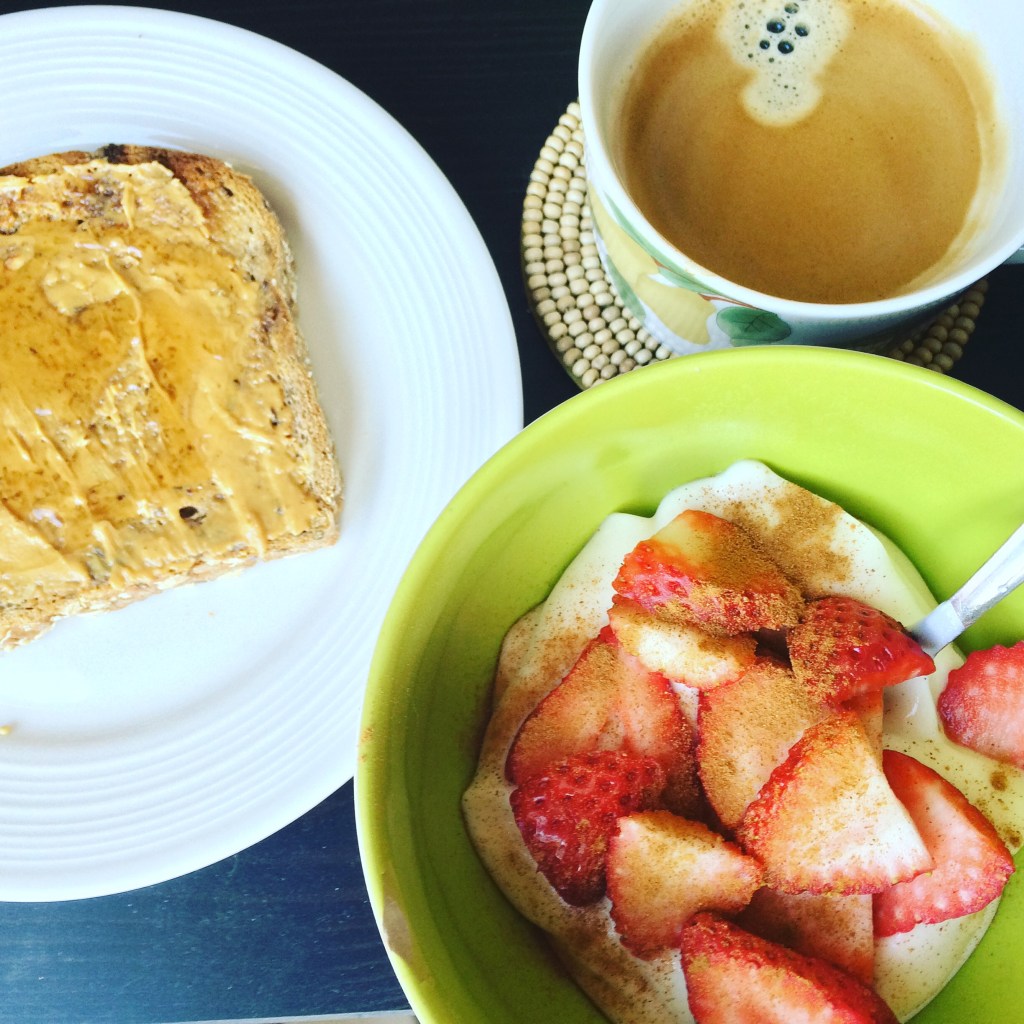
One question I always get when I tell people what I eat or when I post pictures of my meal prep, is “How much did that all cost!?”. It seems to me that there’s a common misconception that eating healthy is expensive. Yes, it can be pricey when you go out to eat at that super hip vegan restaurant, or when you shop at that gourmet health food store – but eating clean isn’t about that. It’s about learning what you like and dislike by trying new foods, preparing your meals in a way that makes them delicious (according to YOUR tastes) and being mindful of what, and how much, you put into your mouth.
That being said, if you want eating clean to become part of your routine, it has to be something you can follow every week. That means buying fresh, whole foods that have less of a shelf life than those frozen pizzas, right? So, that’s why I wanted to give you some tips on what foods to buy to make eating clean fit into your budget!
Starches
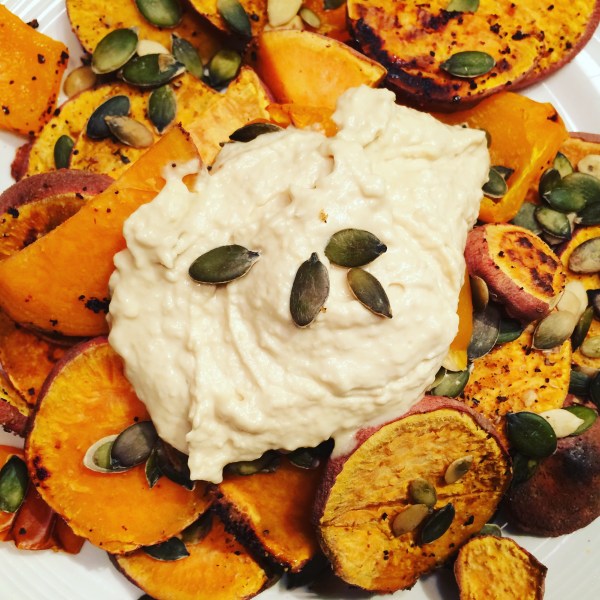
Starches are super cheap and filling. A starch can be the bulk of each meal, but it doesn’t always have to be the same one. There are pastas, rice, oats, barley, other whole grains, as well as breads. And, if you’re trying to avoid processed foods and/or gluten altogether, there are also cheap veggies like potatoes, sweet potatoes, and a host of starchy root vegetables.
Seasonal Fruits and Vegetables
Of course, shopping at a farmers market or organic grocery store isn’t possible or accessible for everyone, but you can still find local and seasonal fruits and vegetables at a good price – you just have to know where to look. Your favourites may not always be available, but now is your chance to try something new. Eating clean is also about getting a variety of nutrients into your diet, so it’s important to rotate your choices. BONUS: buying local and seasonal is not only good for your health, but it’s also beneficial for the environment…and your budget!
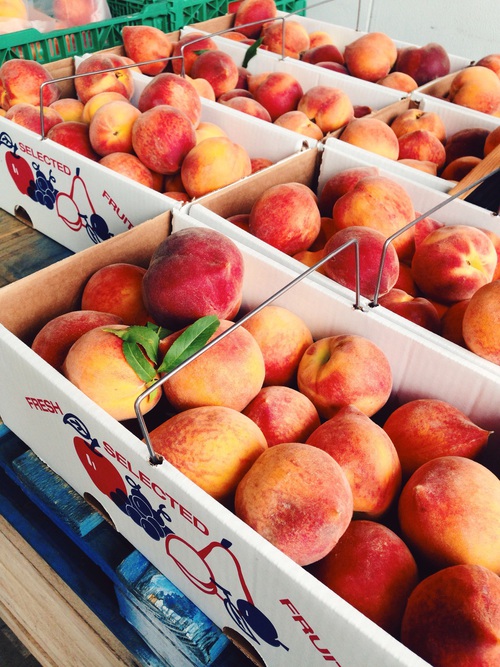
Photo cred: @Lauralilac
Make your Own
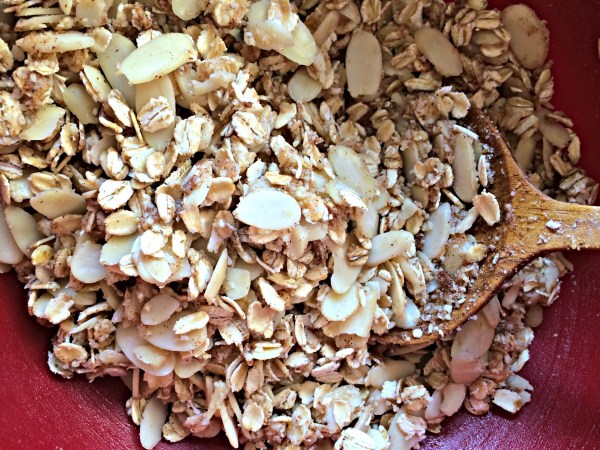
The cost of a pound of dried beans or other legumes is less than buying the canned versions, so it is much cheaper and healthier to make them yourself. The same is true for many things: pasta sauces, soups, cereals, granola, and anything bought in individually packaged sizes. Cook items like these in bulk and portion them out throughout the week – not only will you save time, but you also won’t have to think about what to eat everyday, and having readily-available healthy food means you’re less likely to snack on those chips!
Snacks like health bars, cookies, cakes, etc. are much cheaper done at home, taste better, and are fun to make! Plus, you know exactly what went in them, so you don’t have to worry about any weird additives or flavourings.
Buy What You Need
It’s important to make sure your nutrient bases are covered and a whole foods diet will provide a wealth of vitamins and minerals, but it isn’t realistic to expect that everyone gets all the servings they need, even if they have a healthy diet. That’s where supplements come in, although these don’t always fit into everyone’s budget. Vegans and vegetarians often opt to get fortified Vitamin B12 from plant-based milks or nutritional yeast because this vitamin is not produced by our bodies and can only otherwise be found in animal-based foods or supplements. The point is that, if we are going to buy something that pushes the budget, it’s better to buy something that’s useful and beneficial to your health.
I’ve found that having a routine shopping list helps. You can start with beans and grains since those can be the basis of your meals, then move on to fruits and vegetables that are seasonal and local, and finally, fill the rest to meet your needs. Simple, healthful, and budget-friendly!

 The Whole Wellness